Renovations can transform a home or commercial space, improving functionality, aesthetics, and overall comfort. From remodeled kitchens and bathrooms to office upgrades or structural improvements, construction activities generate significant amounts of dust, debris, and chemical residues. While most property owners focus on visible areas, one often overlooked consequence of renovation is the accumulation of construction contaminants in air duct systems. These hidden pollutants can compromise indoor air quality, affect HVAC performance, and even pose health risks. Post-construction Air Duct Cleaning Utah is therefore an essential step after any major renovation to ensure a safe, clean, and comfortable indoor environment.
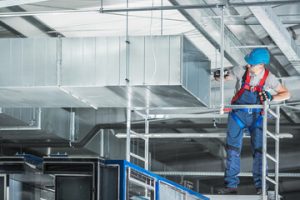
During construction and renovation, airborne dust particles and debris are inevitable. Cutting drywall, sanding wood surfaces, grinding concrete, and painting release fine dust and particulate matter into the air. Much of this dust settles on floors and furniture, but a significant portion is drawn into the HVAC system. Once inside the air ducts, these particles can remain suspended or accumulate along duct surfaces, registers, and filters. Even if the construction site appears clean, these hidden contaminants continue circulating throughout the building whenever the HVAC system operates. Post-construction air duct cleaning targets these contaminants, ensuring that the system is free of debris that could compromise indoor air quality.
One of the primary reasons post-construction air duct cleaning is crucial is the impact on indoor air quality. Construction dust often contains a mixture of materials, including drywall dust, sawdust, adhesives, paints, and other chemical residues. When left in air ducts, these particles are continuously redistributed through the ventilation system. For occupants, this means prolonged exposure to fine particulate matter that can irritate the respiratory system, trigger allergies, or worsen asthma symptoms. Deep cleaning of air ducts after renovations removes these pollutants, preventing ongoing circulation of construction debris and supporting a healthier environment.
Another significant consideration is the effect on HVAC system performance. Accumulated dust and debris within air ducts can obstruct airflow, forcing the system to work harder to maintain desired temperatures. Reduced airflow can compromise the efficiency of heating and cooling systems, leading to higher energy consumption and increased wear on equipment. Over time, this strain may result in mechanical issues or premature component failure. By thoroughly cleaning the ductwork after construction, property owners restore optimal airflow, improve energy efficiency, and extend the lifespan of the HVAC system.
Health risks associated with post-construction dust and debris extend beyond respiratory irritation. Fine particles can carry chemical residues, adhesives, or even microbial contaminants if moisture is present. In homes with children, elderly occupants, or individuals with compromised immune systems, these exposures can be particularly concerning. Professional air duct cleaning not only removes visible dust but also addresses hidden microbial risks, reducing potential long-term health impacts.
The process of post-construction air duct cleaning is comprehensive and systematic. Professionals typically begin with a visual inspection to assess the level of debris, identify potential problem areas, and determine whether additional services, such as HVAC filter replacement, are necessary. Specialized equipment, including high-powered vacuums, rotating brushes, and compressed air tools, is then used to dislodge and remove dust, dirt, and debris from ducts and registers. HEPA filtration systems capture even microscopic particles during extraction, preventing recontamination of the indoor air. This thorough approach ensures that the air ducts are truly clean and prepared for safe, uninterrupted airflow.
Several enumerated benefits illustrate why post-construction air duct cleaning is essential after renovations:
- Improved Indoor Air Quality – Removes construction dust, chemical residues, and particulate matter that can irritate the respiratory system.
- Enhanced HVAC Efficiency – Clears airflow obstructions, reducing strain on the system and supporting energy savings.
- Reduction of Health Risks – Eliminates contaminants that could trigger allergies, asthma, or other health concerns.
- Odor Removal – Addresses lingering chemical odors from paints, adhesives, and other construction materials.
- Long-Term Property Protection – Prevents the accumulation of dust that can settle on surfaces, causing damage and requiring additional cleaning.
These benefits emphasize the value of including air duct cleaning in post-construction maintenance plans.
In addition to HVAC performance and health considerations, post-construction air duct cleaning also contributes to a more comfortable living or working environment. Dust and debris in air ducts can settle on furniture, flooring, and electronics, creating the need for repeated surface cleaning even after the renovation appears complete. Thorough duct cleaning minimizes this secondary contamination, allowing occupants to enjoy the renovated space without ongoing dust accumulation.
Timing is critical when scheduling air duct cleaning after renovations. The service should ideally occur once the majority of construction activities are complete and major debris has been removed from the property. Cleaning too early, while construction is still in progress, risks recontamination of the duct system, while waiting too long allows dust to settle deeply and become harder to remove. A coordinated approach ensures that the air ducts are cleaned efficiently and that the benefits of the renovation—both aesthetic and functional—are fully realized.
Another important consideration is the type of debris and contaminants present. Construction dust can vary widely depending on the scope of the project. Drywall sanding produces fine particles that easily infiltrate ducts, while sawdust and wood chips may settle in registers and fan blades. Chemical residues from paints, sealants, or adhesives can coat duct interiors, contributing to odors and potential long-term health concerns. Post-construction air duct cleaning professionals assess the specific contaminants present and select the most appropriate tools and cleaning methods for effective removal.
High-traffic residential and commercial properties may experience even greater benefits from post-construction air duct cleaning. In offices, hotels, or multi-unit residential buildings, renovations often affect common areas and shared HVAC systems. Dust and debris can circulate through multiple spaces, potentially impacting many occupants simultaneously. Thorough cleaning of the ductwork in these situations not only improves air quality for individual units but also contributes to a safer and healthier overall building environment.
Professional air duct cleaning after construction also complements other maintenance efforts. For example, replacing air filters, inspecting vents for damage, and checking for proper insulation all work together to maintain optimal system performance and indoor air quality. Post-construction duct cleaning is an investment in long-term property care, preventing minor issues from escalating into larger problems that require costly repairs or renovations.
Property owners should be aware of the visual and sensory indicators that suggest duct cleaning is needed. Common signs include:
- Visible Dust Around Registers – Excessive dust on vents or supply grilles often indicates accumulated debris inside ducts.
- Lingering Construction Odors – Persistent smells from paint, adhesives, or dust after renovations may signal trapped particles in the HVAC system.
- Reduced Airflow or Inconsistent Temperatures – Obstructions from construction debris can limit system performance.
- Recurring Dust on Surfaces – Frequent cleaning is required due to dust settling post-renovation quickly.
Recognizing these warning signs early helps ensure timely intervention and maximizes the benefits of post-construction air duct cleaning.
Odor control is another key advantage. During construction, materials such as paint, varnish, adhesives, and sealants release volatile organic compounds (VOCs) that can linger long after the work is finished. Trapped in ductwork, these odors can circulate continuously, affecting comfort and air quality. Deep cleaning of air ducts, combined with deodorization techniques, neutralizes these odors at the source, restoring a fresh, breathable environment.
Beyond health and comfort, post-construction air duct cleaning also protects the renovation investment. Dust and debris can accelerate wear on HVAC components, leading to more frequent maintenance needs and potentially shortening the lifespan of the system. Regular cleaning prevents the accumulation of abrasive particles on fan blades, coils, and registers, preserving system efficiency and reducing the likelihood of costly repairs.
A comprehensive post-construction air duct cleaning plan should also include verification measures. Professionals often use moisture meters, thermal imaging, or particle testing to ensure that the cleaning process has removed all significant contaminants. This documentation provides property owners with assurance that the HVAC system is clean, functioning efficiently, and free of potentially harmful debris.
In summary, post-construction air duct cleaning is a critical step in maintaining a healthy, efficient, and comfortable indoor environment after renovations. Construction activities introduce dust, debris, chemical residues, and microbial contaminants into the air and the HVAC system. Left unaddressed, these pollutants can affect respiratory health, reduce system efficiency, cause lingering odors, and accelerate wear on ductwork and equipment. Thorough cleaning by trained professionals removes hidden contaminants, restores optimal airflow, and safeguards both occupant health and the longevity of the property.
In conclusion, while renovations improve the visible and functional aspects of a home or commercial building, hidden airborne contaminants in ductwork can undermine these benefits if neglected. Post-construction air duct cleaning is not merely an optional step—it is an essential part of comprehensive property maintenance. By addressing dust, debris, and chemical residues at the source, this service ensures cleaner air, healthier living conditions, and long-term protection for both the property and its occupants. Property owners who prioritize post-construction air duct cleaning can enjoy the full benefits of their renovations while safeguarding health, comfort, and HVAC performance for years to come.